Your first usability test in under 5 minutes, at a fraction of the cost.

Real insights. Actionable recommendations. Synthetic users.
- 1Paste a URLOr say the goal in one sentence. That is the whole form.
- 2Approve the test participantsWe propose the participants and the success criterion. Resize, edit or swap anyone.
- 3Read the reportRanked findings, each carrying the quote and screenshot behind it.
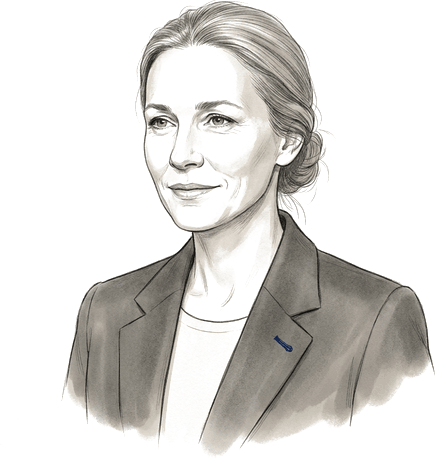
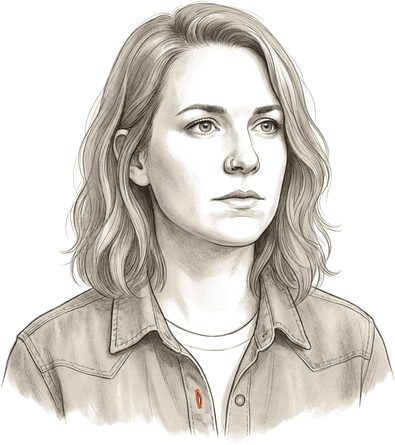
 Priya R.impatient switcher
Reaches an active workspace without contacting support.
Usability Research On Demand, Delivered Before Standup.
Not another dashboard to interpret. Your analytics keep counting, your replays keep recording, your roadmap keeps moving. We run the part nobody has time for: putting a stranger in front of the thing and watching them try.
Analytics tell you where people dropped.We tell you what they were thinking when they did.
One report, every role can act on.
Defend the design with evidence, not taste.
First report lands in about 20 minutes.
Test the preview deployment, not the launch
Point a study at a preview or staging URL the moment the branch is deployable. Watch where the mental model of the interface and the mental model of the person come apart, while the fix is still a component change.
Bring quotes to the critique
Every finding carries the exact sentence a participant said and the screen they were looking at when they said it. Design review stops being an argument about opinions.
“It wants a card before it has shown me anything. That is not what a free trial is.”
 Dez A. · on the card field
“I'd close the tab here honestly. I'll come back if a colleague vouches for it.”
Your funnel shows you the drop.
It never shows you the doubt.
Every tool you already own measures what happened.
None of them were in the room when it happened.
Run my first studyStep three converts at 41%. You know 59% of people left. You do not know whether the form was confusing, the price was surprising, or the button looked disabled. So the team argues, picks one, and ships a guess.
Watch the moment of hesitation, hear the sentence said just before the tab closed, and read the expectation that the screen violated. The why arrives attached to the where.
You have four hundred recordings and no idea which ones matter. Someone scrubs through twelve of them on a Friday, finds one rage-click, and calls it research. The other three hundred and eighty-eight stay unwatched.
Every session is narrated as it happens. You get a timeline of expectations, actions, and reactions instead of a silent cursor you have to interpret.
You demo the flow to the team and it goes perfectly, because everyone in the call helped design it. Nobody hesitates on the label that will stop half your signups, because nobody in the room is capable of reading it for the first time.
Participants receive no product context, no component names, no route map. They see the screen and nothing else, which is the only condition under which first-run confusion is observable.
Your most engaged users file the most tickets, so your roadmap gets optimised for the people who already understand it. The ones who bounced in ninety seconds never wrote in to tell you why.
Run as many test participants as the question is worth, built from your actual target segments, including the impatient, the skeptical, and the non-technical. The people who would have quit silently are the ones telling you where they quit.
An expert reviews your interface against a checklist and returns thirty violations sorted by principle. Some of them are real. Some of them have never bothered a single human being. There is no way to tell which is which.
Findings are grounded in observed behaviour. If nobody stumbled on it, it does not become a blocker just because a rule says it should.
Five participants, two weeks of scheduling, three no-shows, one incentive budget, and a calendar invite chain. By the time the sessions happen, the flow has already shipped.
Studies start when you start them and finish while you are still in the pull request. Test on Tuesday, fix on Wednesday, retest on Thursday.
Cheaper Than Guessing. Faster Than Waiting.
Moderated research gives you depth in three weeks. Automated tests give you speed but only ever confirm what you already thought to assert. This sits in the gap: the comprehension question, answered the same afternoon you ask it.
The Whole Loop, Not Just The Recording.
Priya R.Switching from a rivalLow patienceMobileEdit Martin K.Evaluating for a teamReads everythingDesktopEditDez A.First tool of this kindSkimsMobileEdit
Participants Who
Are Not You
As few or as many as you want, validated on behaviour not prose
We read your product surface and propose a set of test participants: the job each one is trying to finish, what they already know, how technical they are, the device in their hand, and a patience budget the orchestrator actually enforces rather than asks the model to respect. Resize the pool to whatever the question is worth, edit them, swap them, add the difficult one you keep thinking about. Nothing runs until you approve them, and afterwards they are checked for real behavioural divergence, because distinct prose over identical click paths is one participant reported six times.
Fresh Eyes,
Structurally Enforced
Isolated storage, isolated cookies, isolated process
Each participant drives its own browser with a deliberately human vocabulary: look, click, type, scroll, go back. No selectors, no route map, no component names, no source. A tester who can inspect the implementation cannot get lost the way a new user does, so the blindfold is part of the architecture rather than a line in a prompt.
The Sentence
Before The Click
Expectation, action, resolved target, reaction
Participants state what they think will happen before they act, then react honestly to what actually happened. That gap is where usability lives. You get it as a scrubbable timeline with a screenshot either side of every action, and the server records which element the click actually landed on, so a mis-aimed click is thrown out instead of being reported to you as a product defect.
Counts render against the number of usable sessions, never as a percentage. Five participants are not a sample.
One Nitpick
Versus A Pattern
Judged on evidence, counted against the session total
Whether a participant actually succeeded is decided by an independent judge reading the captured evidence, never by the participant’s own claim about how it went. Observations are then clustered, scored, and counted against the number of usable sessions. Never a percentage: six participants are not a sample, and a bar that looks like a percentage is the fastest way to put false confidence into a shared report.
Why: Five of six participants expected a trial. Two abandoned at the payment form within ninety seconds. The file and symbol were confirmed in a read-only checkout; when they cannot be, the recommendation says so instead of guessing.
From Reaction
To Pull Request
Read-only, and only after the sessions end
After the sessions end, a separate code-aware pass takes the significant findings and finds the route, component, copy string, or state transition most likely responsible. It returns a specific proposed change with an effort estimate. It never edits your code without approval, and it never touches the participant runtime.
Proof The Fix
Actually Landed
Same flow, same participants, new build
Point the same study at the new deployment. Because findings attach to durable issues rather than to a row that re-synthesis regenerates, comparison is exact: each issue comes back marked resolved, regressed, or unchanged, carrying the comments and decisions it already had. The delights you were protecting are checked too, so a performance win does not quietly cost you the one moment people loved.
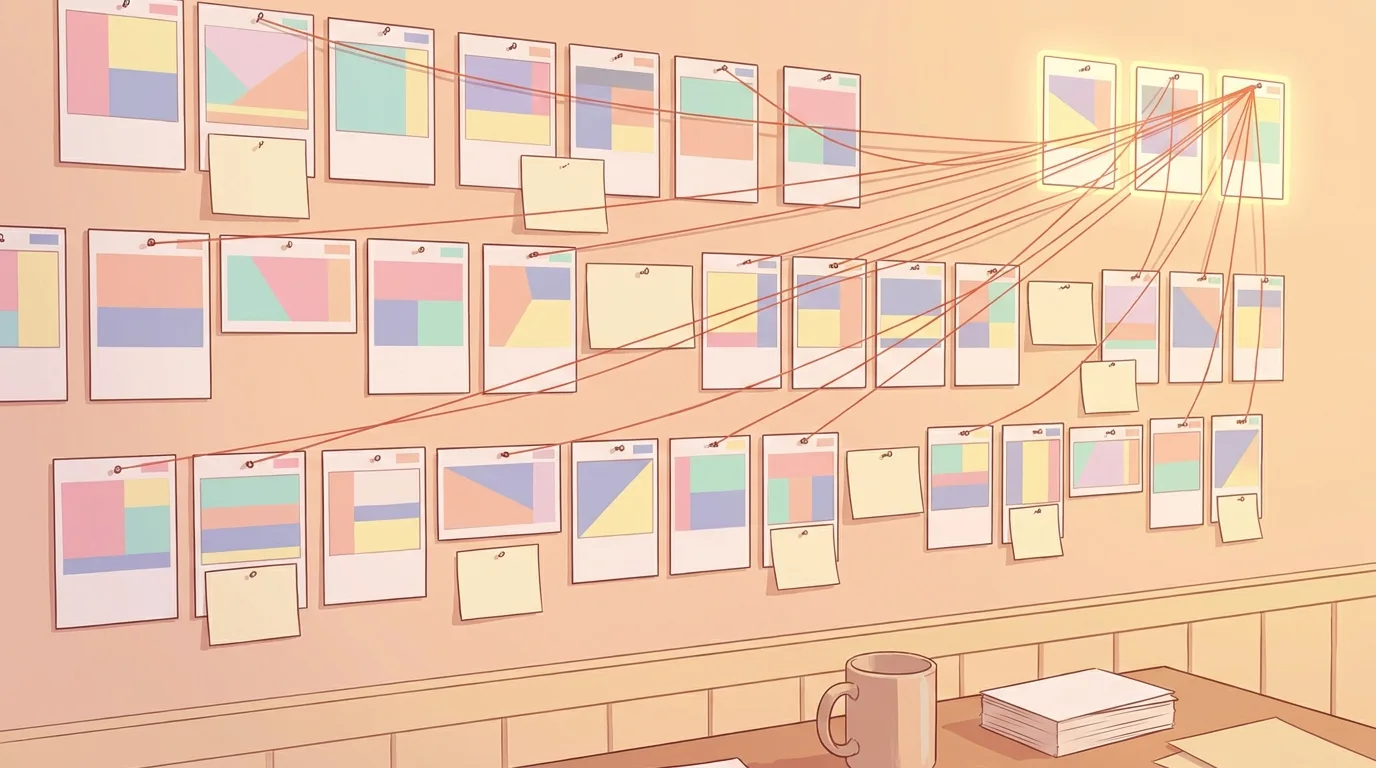
“Oh, the sample rows. Now I understand what this screen is actually for.”
What The First Study Actually Looks Like
No procurement, no panel, no discussion guide. You are watching strangers use your product before the coffee goes cold.
Paste a URL, say the goal
A deployed, preview, or local address, and one sentence about what the person is trying to do. That is the whole form. No workspace to configure first.
Check what we inferred
One screen shows the success criterion, viewport and the test participants we derived, each labelled as inferred. Add or remove participants, change anything you disagree with. Nothing runs until you approve them.
Preflight
We confirm the URL loads, the criterion is observable, the persona prompts carry no implementation detail, and that anything able to purchase, publish, delete, invite or message a real person is blocked or needs your confirmation.
Watch the room
Every participant gets its own browser and narrates as it goes. You see each one’s current screen, what it expects, how it reacted, and how much of its patience budget is left. You can stop one session or the whole run.
The report lands
Ranked findings, quotes, screenshots, protected delights, and a limitations section that is part of the report rather than a footnote. Task success is decided by an independent judge, not by what a participant claimed.
You did not spend a quarter validating an assumption. You spent an afternoon, and the argument in the next planning meeting now has evidence on one side of it.
From One Flow To A Standing Practice
Teams do not stop testing because they stopped caring. They stop because every study costs a week of coordination.
Take that cost to near zero and research stops being a phase.
It becomes something that happens on the way to merge.
One flow, one success criterion, one report. Usually onboarding, because that is where the fresh-eyes gap is widest and the evidence is most surprising.
Three or four studies across the surfaces you argue about most. Saved personas. A baseline you can measure the next release against.
Studies on every preview deployment, a research repository the whole team searches instead of guesses at, and located recommendations that name the file or say plainly that they could not verify one.
Comprehension is a release gate. You know which findings you resolved, which regressed, and which delights you are deliberately protecting, and you take only the genuinely uncertain questions to real customers.
Cheap enough to run on a Tuesday.
Two plans, unlimited members on both, and a 7-day free trial before any billing begins. Run out in a heavy month and you top up, without changing plan.
See pricingStarter
About 12 studies a month
$39/mo
Team
About 62 studies a month
$149/mo
A study is four participants through a signup flow. Need more in a heavy month? Top up from $29, and packs never expire.
FAQ
You should not trust them the way you trust a customer interview, and we will not pretend otherwise. Their errors are not random, and they point in known directions. A model has no banner blindness and does not skim, so it will find the eleven-pixel footer link nobody has ever noticed — which means it under-reports the “I simply never saw it” failures that make up a great deal of real usability trouble, and over-reports fine points of wording. It also knows every web convention ever published, so a low-context persona is roleplay layered on an expert. We measure precision and recall against a benchmark with known answers, those numbers gate what we are allowed to claim, and the report tells you what this method is known to miss. Use it to find the obvious breakages cheaply and constantly, then spend your research budget on the questions that are genuinely uncertain.
Ready to watch someone try it?
Point us at one flow. Get a ranked report, real quotes, and the first thing to fix, before the end of the day.